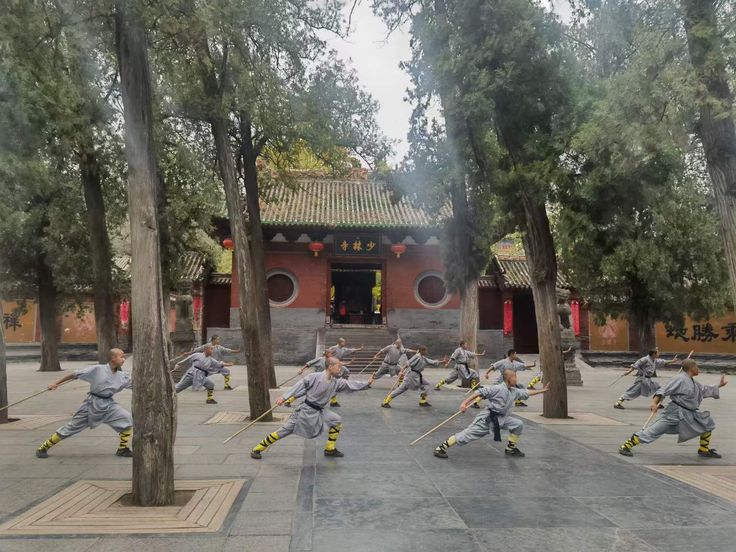
After Wudang, the Journey Continues to Shaolin
In a previous article, we explored the mystical heights of Wudang (武当), the cradle of martial Daoism. Today, we take you to the opposite pole of this universe: Shaolin Temple (少林寺), a major center of Chan (Zen) Buddhism and the home of external martial arts. To truly understand the essence of traditional Kung Fu, it is essential to explore these two pillars: Wudang and Shaolin.
A Millennial Foundation at the Heart of Buddhism
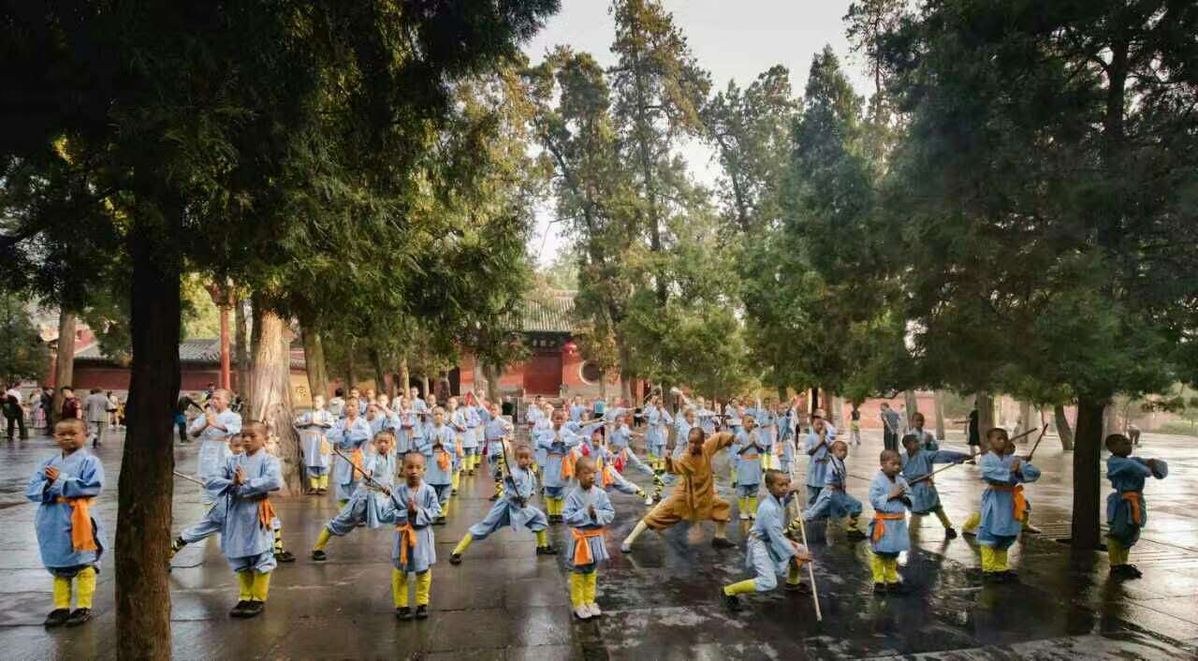
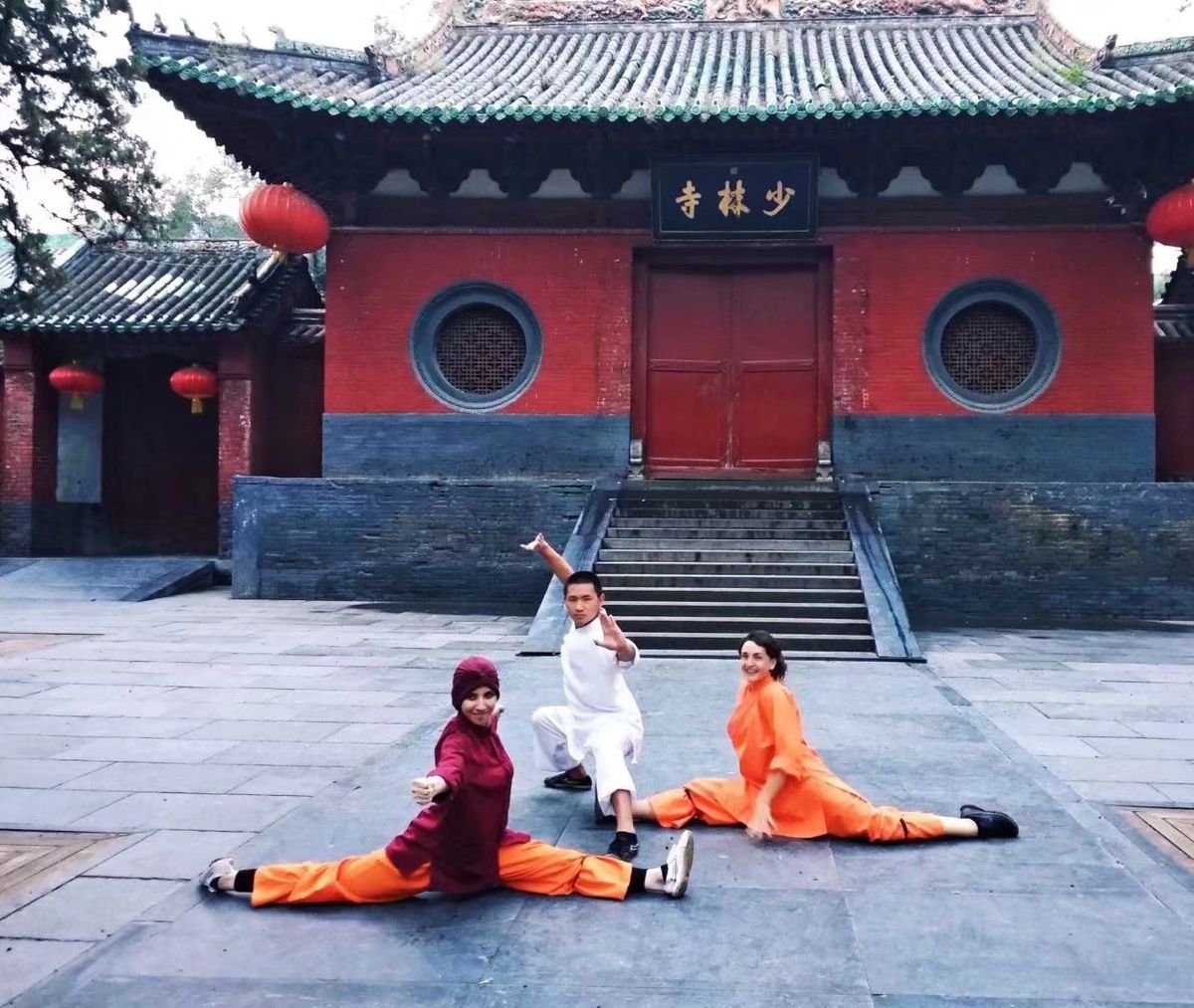
Shaolin Temple was founded around 495 CE during the Northern Wei dynasty, at the request of Emperor Xiaowen, to welcome the Indian monk Ba Tuo (跋陀). Located at the foot of Mount Song (嵩山) in Henan Province—one of the five sacred mountains of China—Shaolin quickly became a major center for the study and dissemination of Chan Buddhism.
A few decades later, another Indian monk, Bodhidharma (达摩, Dámó), traveled to China. According to legend, he meditated for nine years in a cave near the monastery. From this retreat are said to have emerged two fundamental texts: the Yi Jin Jing (易筋经, Classic of Muscle and Tendon Transformation) and the Xi Sui Jing (洗髓经, Classic of Marrow Washing), foundational works for physical and energetic strengthening at Shaolin.
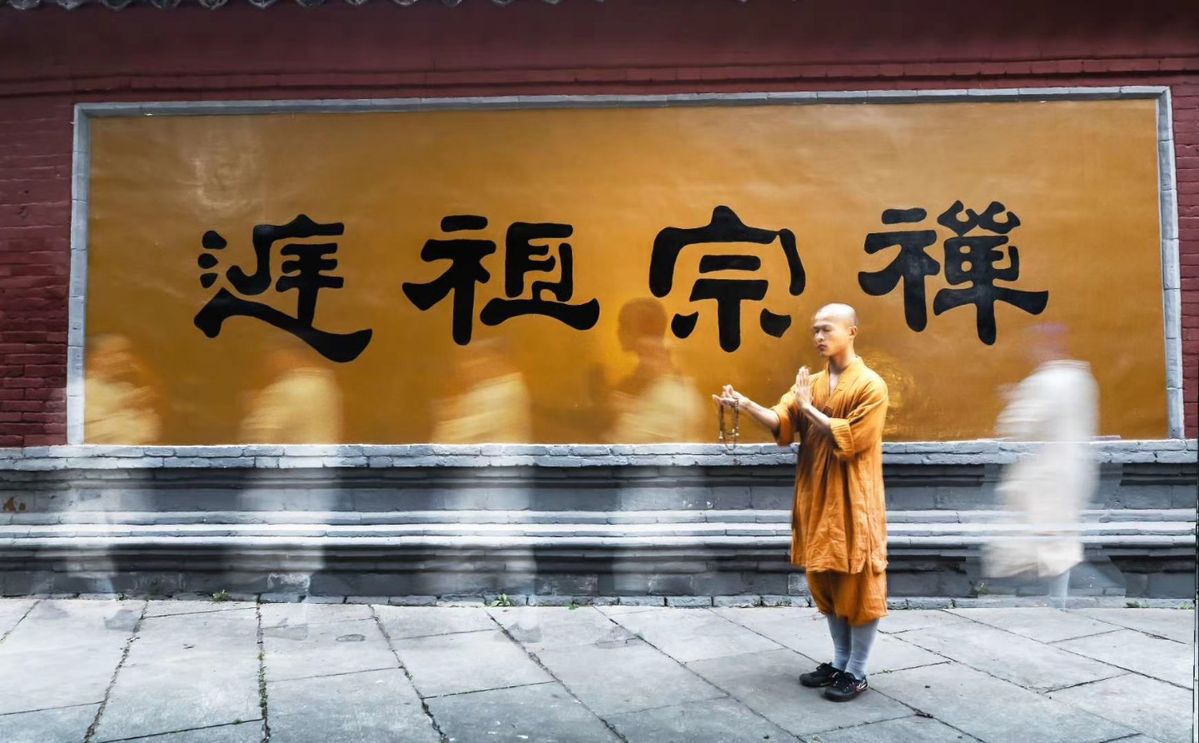
The Spiritual Dimension: Chan (Zen) in Motion
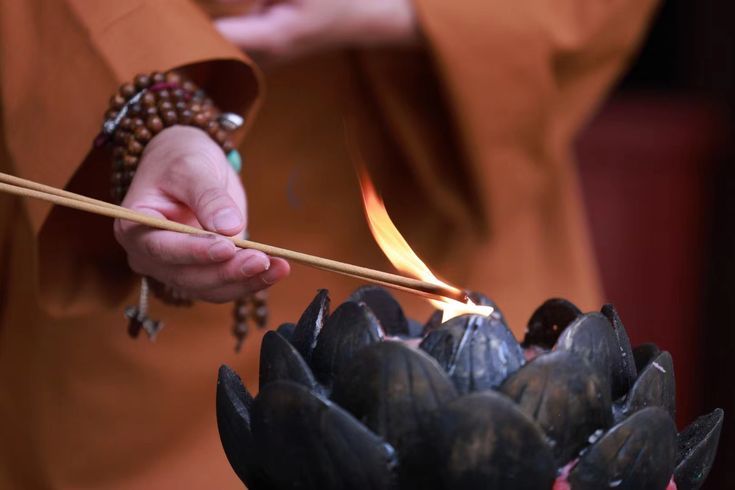
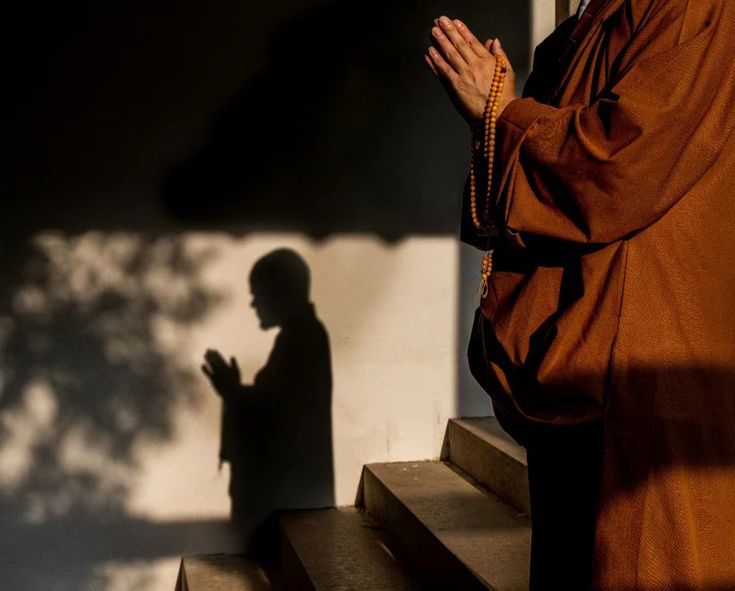
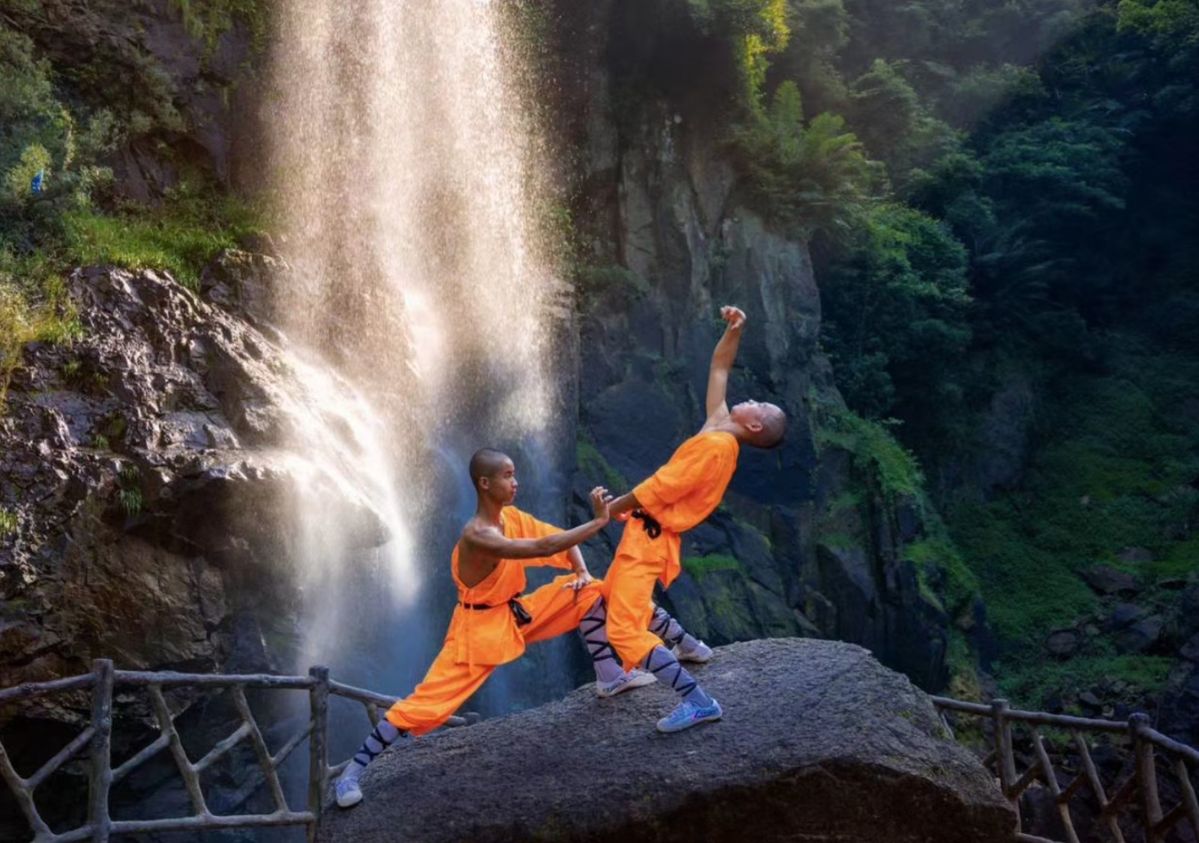
At Shaolin, martial practice is inseparable from spiritual practice. Chan Buddhism promotes a direct path to awakening through experience: silence, seated meditation, but also mindful action through movement. Kung Fu becomes a medium for concentration, an extension of meditation, where every gesture seeks self-mastery, awakening, and unity of body and mind.
The Development of Shaolin Kung Fu
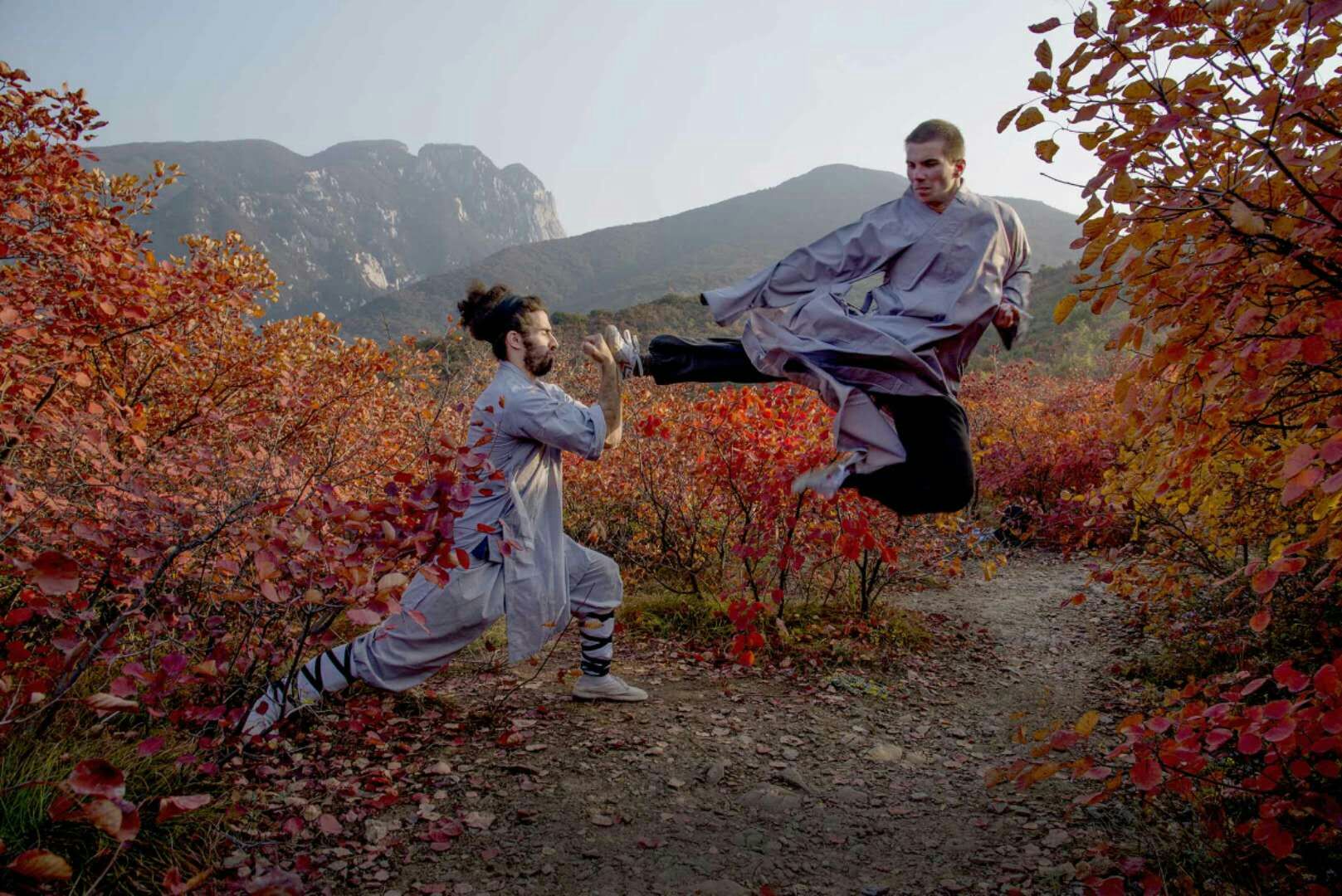
Over the centuries, the monks incorporated combat techniques to defend themselves against bandits and to protect pilgrims. Thus emerged Shaolin Quan (少林拳), an external style based on:
- Physical strength and explosiveness: powerful strikes, dynamic jumps, rapid techniques…
- Animal styles: tiger, crane, snake, monkey—each symbolizing tactical and energetic principles.
- Weapons training: the staff (gun 棍), emblematic of the temple, as well as the saber (dao 刀), spear (qiang 枪), and others.
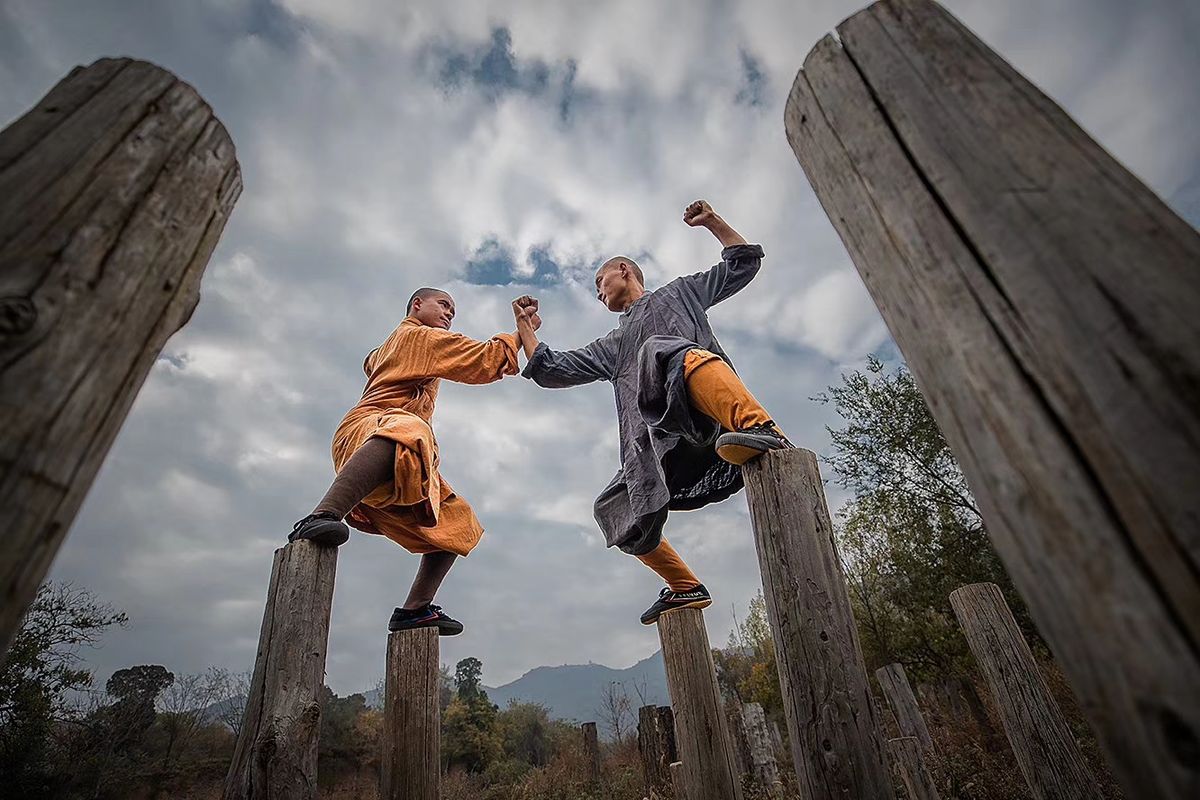
Martial training was often combined with meditation routines, Buddhist study, and a strict communal lifestyle. This harmony between body, mind, and community forged the unique image of the Shaolin monk.
Shaolin: External Arts or Chinese Tradition?
Shaolin martial arts are classified as external styles because they emphasize muscular power, speed, and physical resilience. In contrast, Wudang arts are considered internal, focusing on energy (qi) and fluidity.
Another important distinction should be noted: Shaolin arts have Indian origins through Buddhism, while Wudang arts stem from indigenous Chinese traditions. Historically, Chinese scholars also referred to Shaolin as “external” in a cultural sense.
This did not prevent Shaolin from profoundly influencing the entire continent. A famous saying states: “All martial arts under Heaven originate from Shaolin” (天下武功出少林). While Shaolin undeniably structured and popularized Kung Fu, rural boxing styles and local warrior traditions already existed beforehand. Shaolin acted as a catalyst—unifying, systematizing, and spreading these martial traditions.
A Translation That Requires Nuance
The term Shaolin (少林) is often translated as “Young Forest,” which is partially inaccurate. In this context, the character “少” does not mean “young” but refers to Mount Shao (少室山, Shaoshi Shan), one of the peaks of Mount Song. Shaolin therefore literally means “the forest of Mount Shao.”
Shaolin, a Pillar of Martial Heritage
Shaolin is not merely a temple; it is a living symbol of Chinese culture, where spirituality, discipline, and mastery of the body converge. Through centuries of destruction, war, and rebirth, it remains a global source of inspiration.
After our journey to Wudang, we are now immersed in the world of Shaolin. These two traditions—opposed yet complementary—together form the deep soul of Kung Fu. In future articles, we will explore their respective styles, emblematic weapons, and contemporary transmission in greater detail.