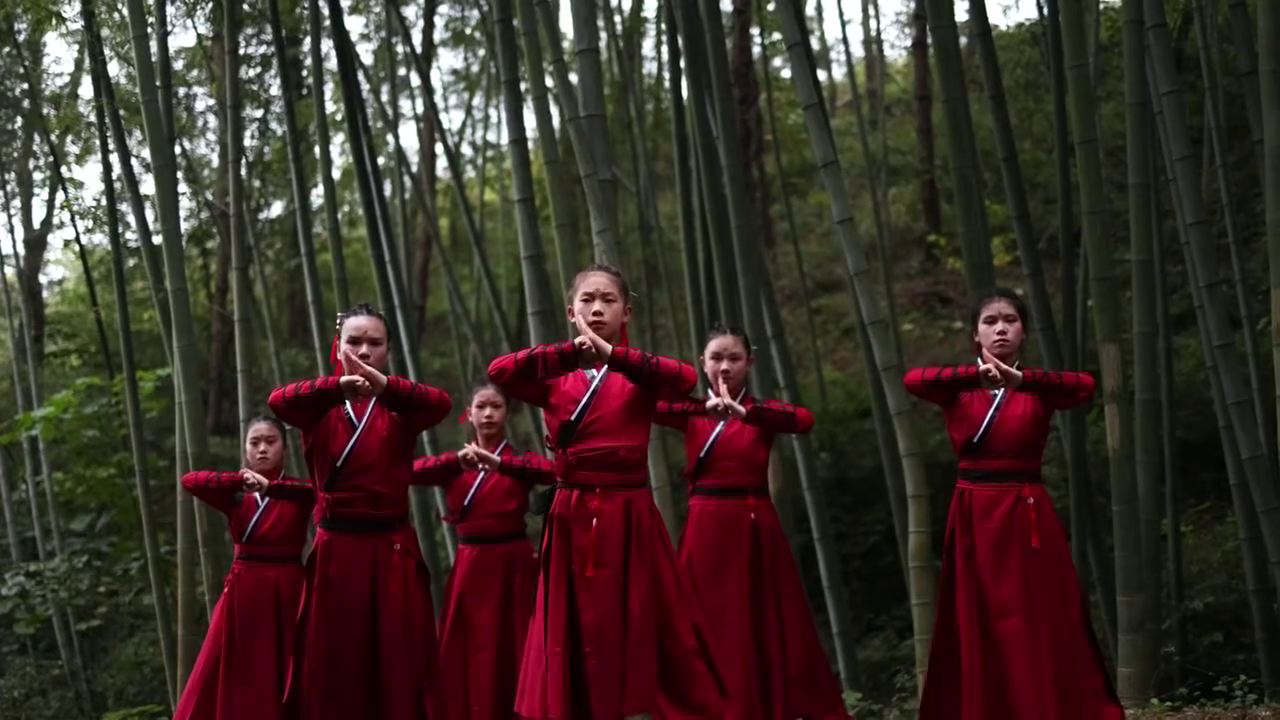
Every year, martial arts enthusiasts dream of traveling to China to study kung fu, Tai Ji Quan, Qi Gong, or Chinese martial arts more broadly. Yet when they begin their research, they quickly discover a multitude of schools, academies, temples, training centers, and international programs that all seem to promise an authentic experience. At first glance, everything appears relatively simple: all you need to do is choose a school, book a flight, and start training. The reality, however, is far more complex.
After spending several years studying and working in different Chinese schools, I gradually came to understand that we often approach this subject with a very different perspective from that of the Chinese. We tend to look for kung fu, masters, temples, and training inspired by martial arts movies. Chinese families, on the other hand, are more likely to talk about education, discipline, future career opportunities, qualifications, and success.
This difference in perception is probably the first thing to understand before choosing a martial arts school in China.
Before my first trip, I too imagined hidden temples deep in the mountains, masters passing down their knowledge to a handful of disciples, and training pushed to the extreme. I believed that the best practitioners were necessarily monks and that people spent their days constantly pushing their physical limits to exhaustion. The China I discovered was different. More modern, more organized, sometimes more demanding, but above all far richer than anything I had imagined.
Foreign Visitors Often Search for Kung Fu, While Chinese Families Often Search for a School of Life
If I had to summarize what a true Chinese Wuxiao is in a single sentence, I would say that it is a school of life that uses martial arts as an educational tool to train sports and martial arts professionals capable of succeeding in life.
This definition often comes as a surprise. We tend to view kung fu as a passion, a hobby, or a means of personal development. In China, the perspective is often much broader. Martial arts are used to develop discipline, independence, perseverance, respect, teamwork, and the ability to overcome everyday challenges.
For many Chinese families, the goal is not simply to train a skilled martial artist. It is also to help shape an adult capable of finding their place in society. Martial arts therefore become both an educational path and a sporting discipline.
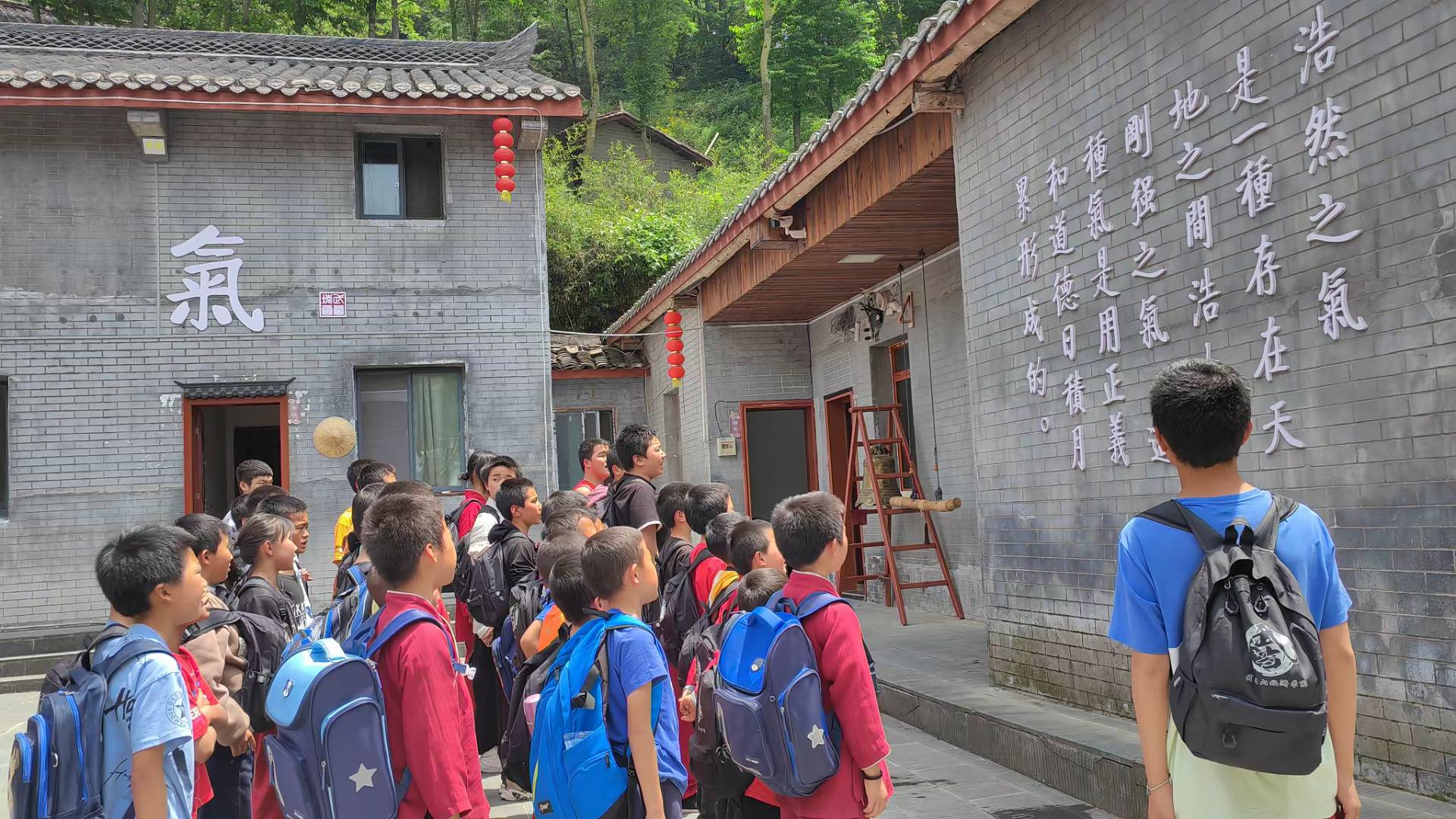
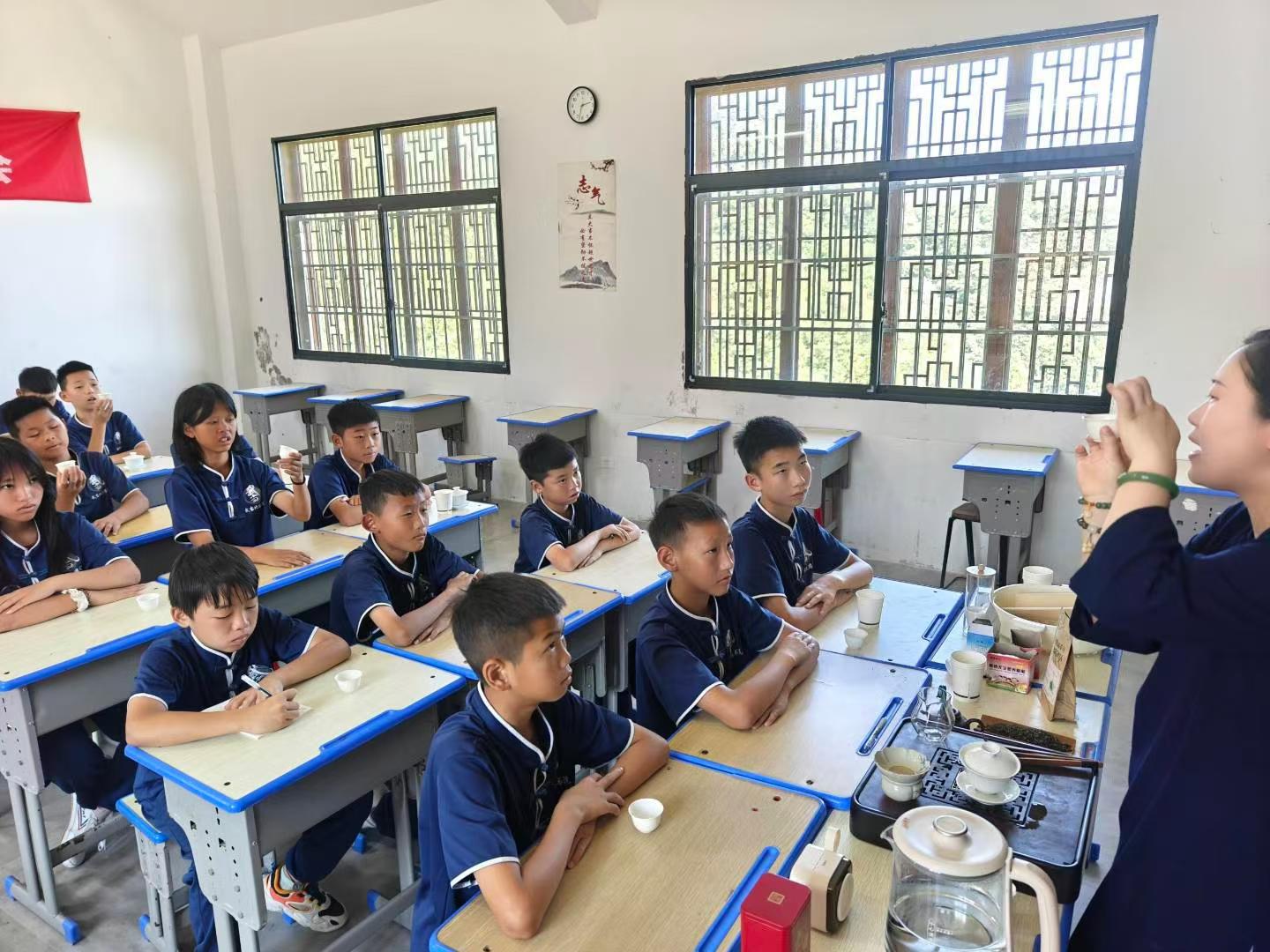
This is what makes major Chinese schools so unique. Students do not simply learn how to perform a form, throw a kick, or handle a weapon. They learn how to live within a community, respect a structure, wake up early, repeat, listen, observe, start over, and accept that progress takes time.
Why Not All Martial Arts Schools in China Are the Same
One of the biggest mistakes is believing that there is only one model of martial arts school in China. In reality, several types of institutions coexist today and offer very different experiences.
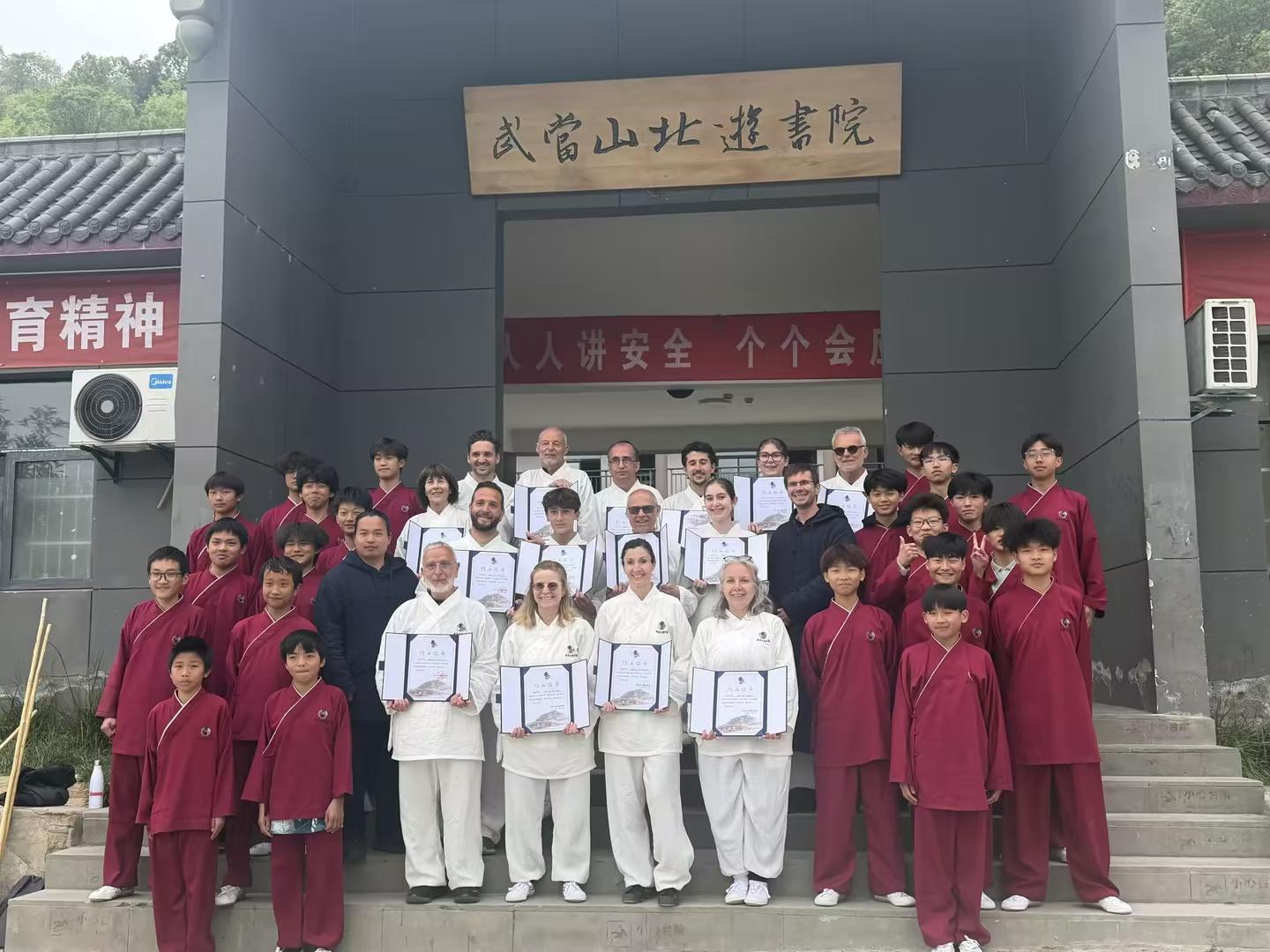
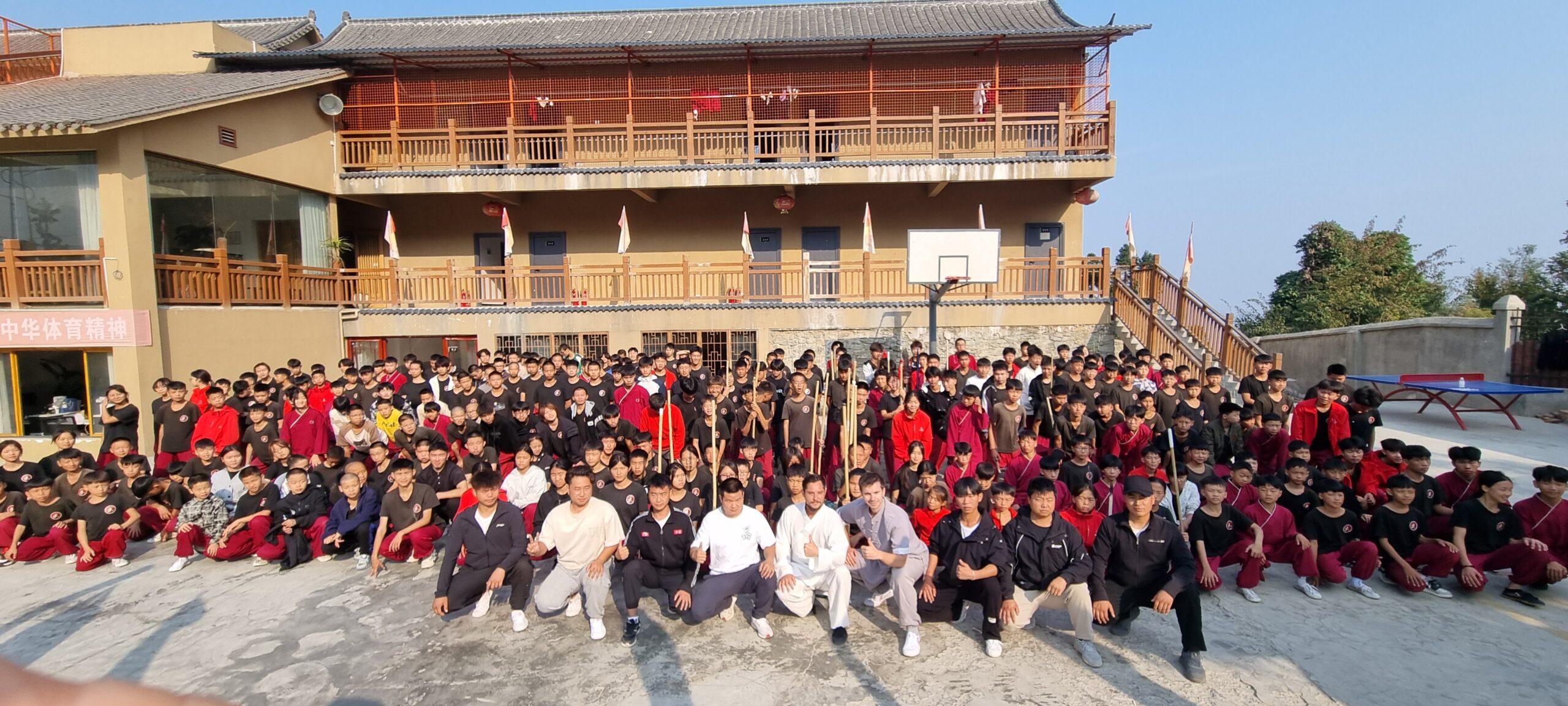
The most well-known are the Wuxiao (武校), which can be translated as “martial arts schools.” These institutions primarily welcome Chinese students and generally combine academic education, boarding facilities, and intensive martial arts training. Students follow a complete school curriculum while training every day. Many later continue on to sports universities or pursue careers in coaching, teaching, security, law enforcement, or the military.
There are also Wuguan (武馆), which are closer to Western martial arts clubs or private academies. Some offer an excellent level of training and are led by former champions or instructors who graduated from major Wuxiao. Others are more focused on leisure activities, wellness, or short-term stays. Their structure is generally more flexible, but they do not always provide the same educational environment as a true Wuxiao.
Alongside these institutions, there are also independent instructors, training camps designed primarily for foreigners, centers specializing in Tai Ji Quan or Qi Gong, as well as various international programs. Each has its own advantages, limitations, and target audience.
Understanding this diversity is essential. A student seeking complete immersion among Chinese students will not necessarily be looking for the same type of institution as someone who simply wants to discover kung fu for a few weeks.
Wuxiao and Wuguan: Two Different Approaches
The difference between a Wuxiao and a Wuguan is not simply a matter of building size or the number of training hours. Some Wuguan have dormitories, cafeterias, and classes running throughout the day. From the outside, they can sometimes resemble a complete school. Yet the fundamental difference lies elsewhere.
A Wuxiao generally includes an academic dimension. Chinese children can enroll from primary school, continue through middle school and high school, while simultaneously following a martial arts curriculum. For Chinese students, this path can continue all the way to the gaokao, the national university entrance examination, sometimes through a sports specialization.
A Wuguan, on the other hand, is primarily a martial arts training institution. It may offer excellent instruction, but it does not necessarily have the same educational mission, career opportunities, or administrative oversight. This is a fundamental distinction that many people fail to recognize at first glance.
Temple, School, and Religion: Three Different Realities
Another very common misconception is the belief that students live in temples and learn directly from monks. This perception is largely influenced by movies, documentaries, and certain marketing campaigns aimed at foreign audiences.
The reality is far more nuanced. Temples primarily serve a religious function. Schools serve an educational function. Modern martial arts training institutions are generally independent from temples, even though they may maintain historical, cultural, or geographical connections with them.
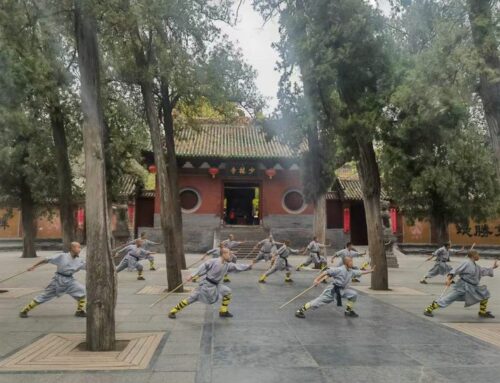
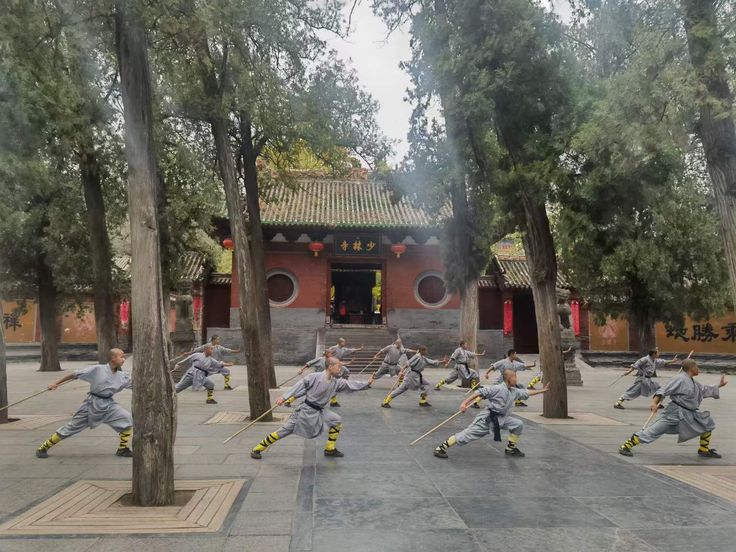
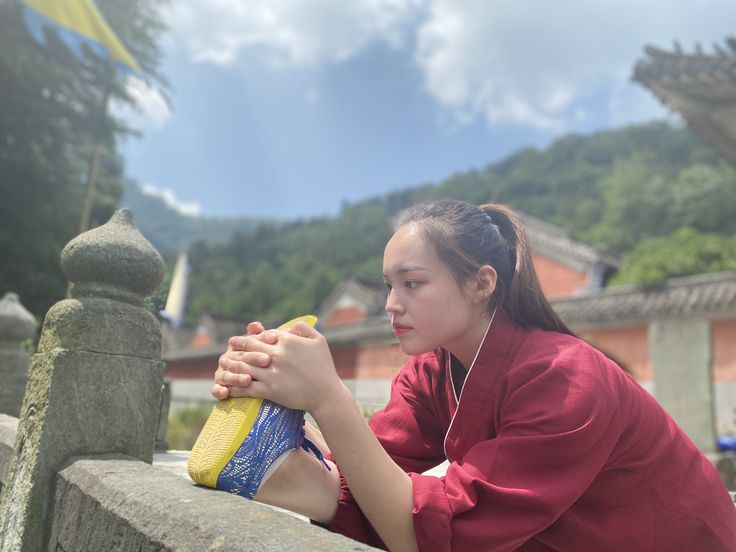
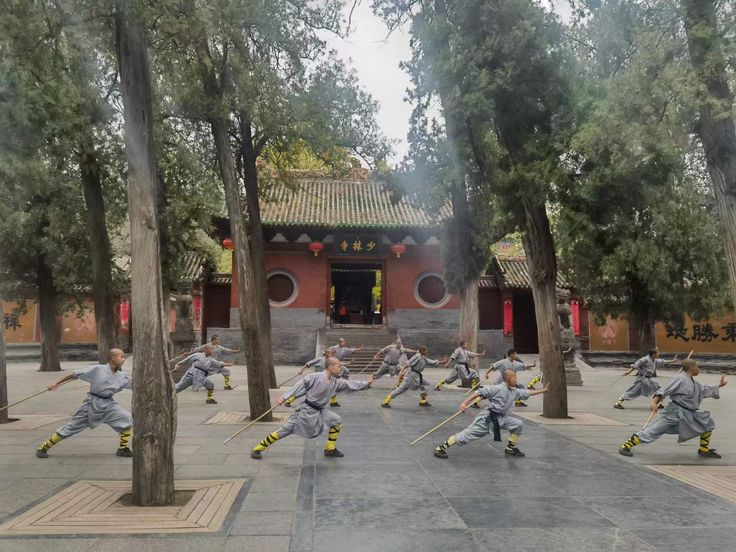
Both in Shaolin and in Wudang, genuine martial arts schools are generally not located inside the temples themselves. Students live in boarding facilities, attend classes, train on dedicated training grounds, and evolve within an environment that is much closer to a school campus than to a monastery.
Adults may occasionally train in certain temples, particularly to enjoy the exceptional setting they provide. However, this does not mean that the training has a religious dimension. More often than not, it is simply a pleasant and symbolic place to practice.
The Best Practitioners Are Not Necessarily Monks
This is probably one of the most widespread misconceptions. Many Westerners imagine that the greatest experts are necessarily monks. Yet in China, religious practice and intensive martial arts practice often follow two very different paths.
Monks dedicate a significant portion of their time to religion, ceremonies, the study of sacred texts, and the responsibilities of temple life. Wuxiao coaches, competitors, and instructors, on the other hand, devote most of their time to training and teaching.
Of course, some monks possess an excellent martial arts level. However, the highest technical standards today are often found among competitors, professional coaches, Wuxiao instructors, and graduates of Chinese sports universities.
The Myth of the Single Master
In the West, we are fascinated by the idea of the master. An old wise man, a handful of disciples, a secret transmission, a mountain, a temple. It is a powerful image, but it does not always reflect the reality of major Chinese martial arts schools.
In a Wuxiao, people rarely speak of a master in the romantic sense of the term. Instead, they speak of a Jiaolian (教练), meaning a coach or instructor. The founder of a school may sometimes be referred to as a master as an honorary title, but the daily progress of students relies primarily on the work of the coaches.
A Jiaolian is not simply someone who teaches a class and then leaves. In many Wuxiao, they accompany students on a daily basis, monitor their progress, oversee discipline, help them overcome difficulties, and contribute to their education. For younger students, they may even become a genuine parental figure.
This is a very important point to understand. In large Wuxiao, progress does not depend solely on the skill level of a single individual. It also depends on the quality of the environment, the experience of the coaches, the student community, the school’s organization, and the training culture that develops day after day.
The Myth of Extreme Training
Before arriving in China, I believed that students trained constantly until complete exhaustion. I imagined entire days spent training in the rain, thousands of push-ups, endless conditioning sessions, and a discipline comparable to that of the military.
I quickly discovered that the best schools operate according to a completely different philosophy. Of course, training is demanding. It requires hard work, discipline, and repetition. But it is also built with a long-term perspective.
When heavy rain falls, many schools prefer to suspend certain training sessions rather than risk injuries or illness. A student who is injured for several weeks will make less progress than a student who can train consistently for several years.
The real difference between the best Chinese students and most Western practitioners does not lie solely in training intensity. It lies above all in repetition, attention to technical details, and the gradual mastery of the body.
For a long time, I believed that progress meant always training more. I would sometimes attend several different classes in a single day to accelerate my improvement. The result was simple: I got injured more often than necessary. The most successful Chinese students gradually taught me that rest is also part of training.
Why Wuxiao Often Produce a Higher Level of Skill
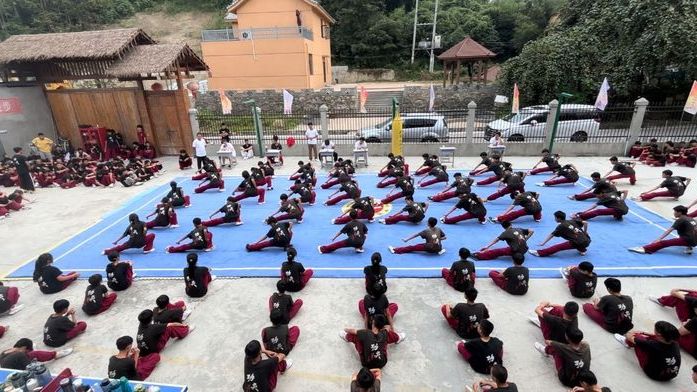
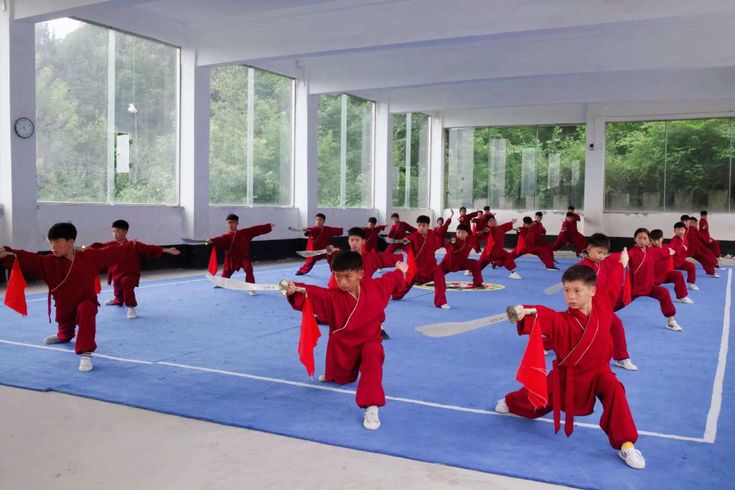
The level observed in major Wuxiao comes largely from the environment itself. You train alongside Chinese students who have practiced since childhood, young competitors, experienced instructors, and classmates who repeat the same movements relentlessly until they achieve remarkable precision.
This atmosphere naturally encourages progress. It is not simply a matter of training hours. It is a matter of culture. In a Wuxiao, you see every day what a very high level truly looks like. You begin to understand that kung fu is not based solely on strength, flexibility, or physical toughness, but on genuine mastery of the body.
Large Wuxiao also benefit from having many instructors, classes, and skill levels. This allows learning to be structured and creates a constant environment for improvement. By contrast, in a small private school, even when an instructor is excellent, the overall quality often depends much more heavily on a single person.
Immersion: The True Wealth of a Chinese Martial Arts School
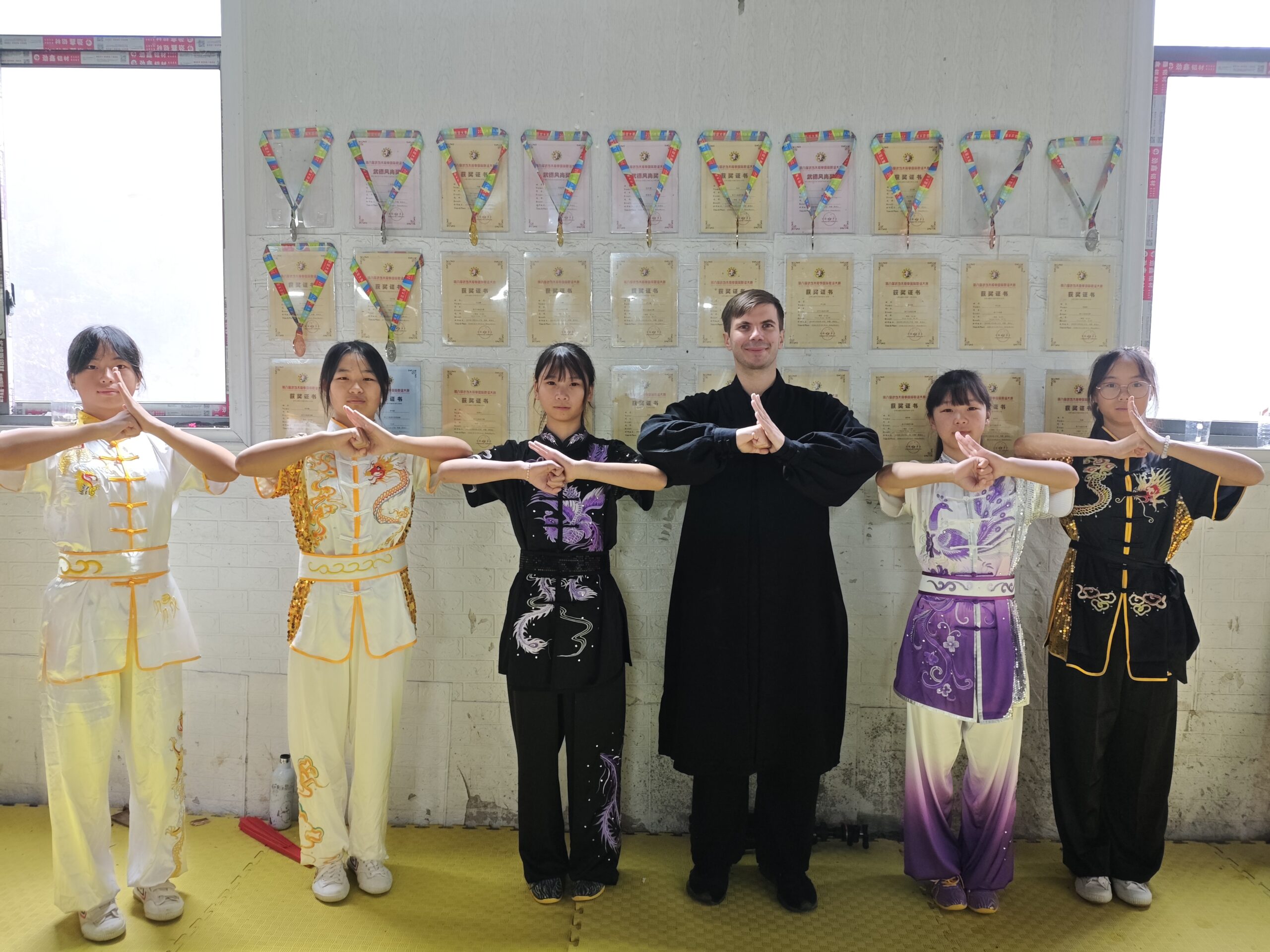
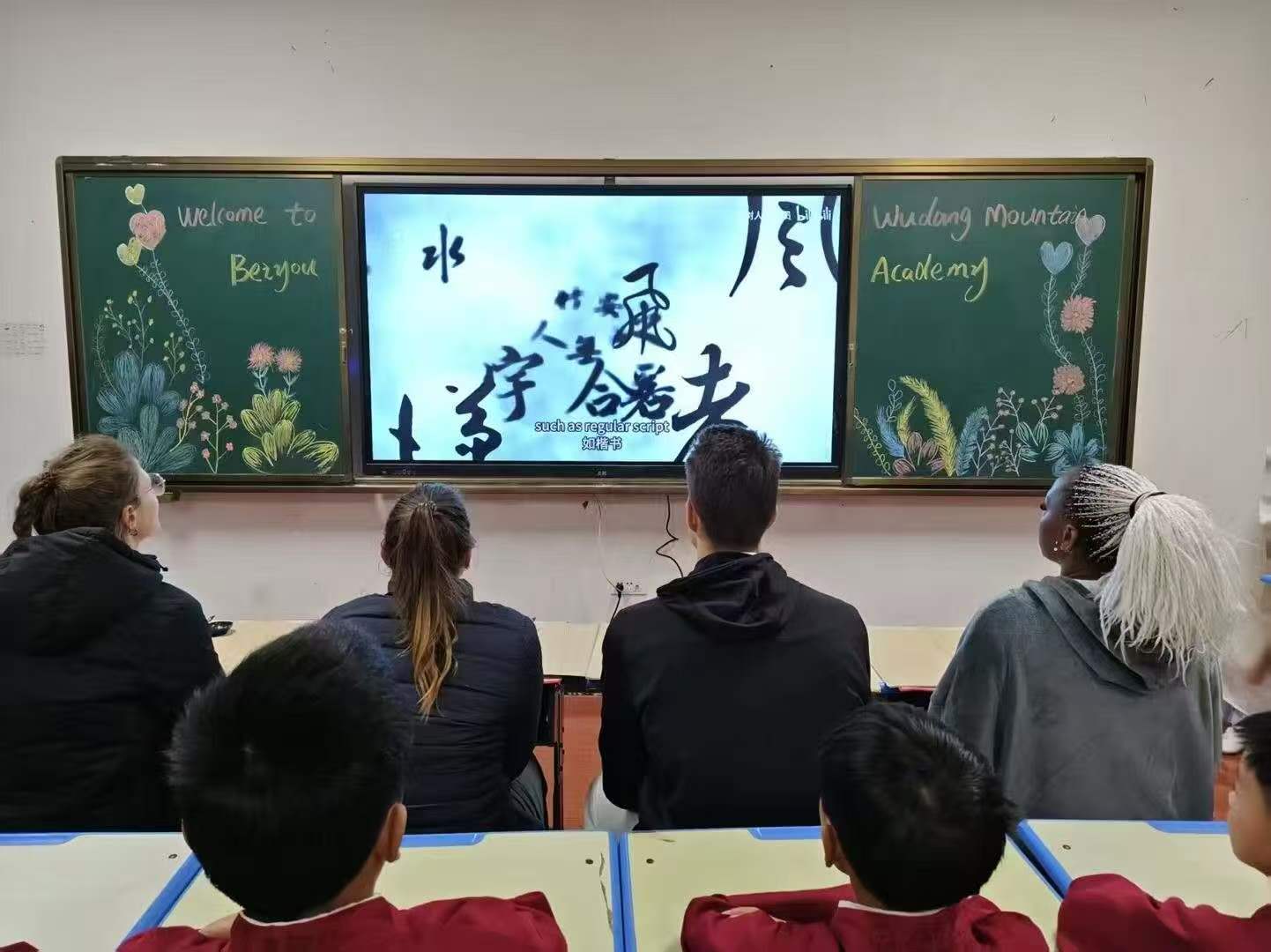
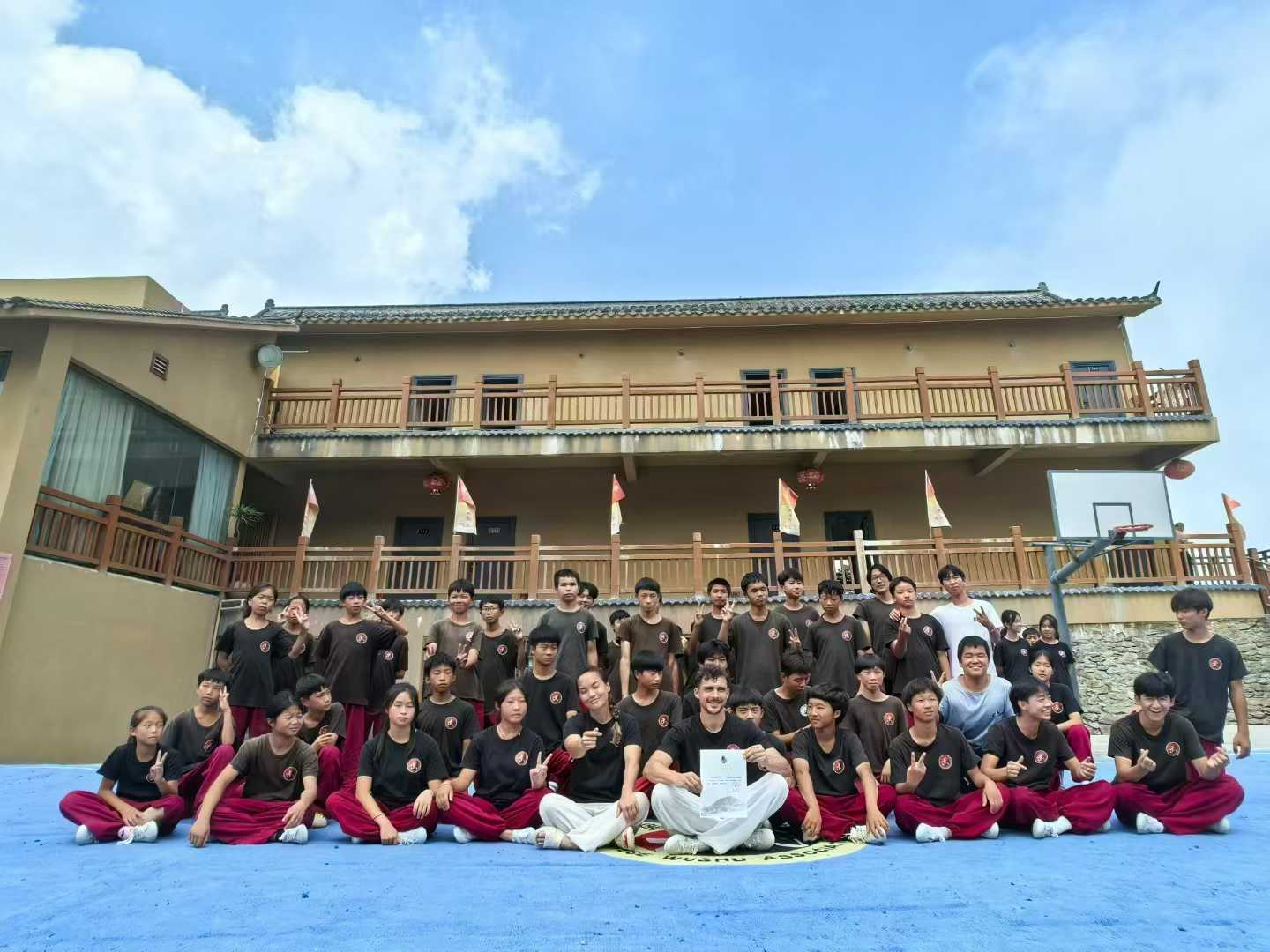
When I chose my school in China, I was not simply looking for a good technical level. I wanted to be treated like the Chinese students. I wanted to earn the same qualifications, attend the same classes, and live the same experience as they did.
I did not want to benefit from a program specially designed for foreigners. I wanted to understand how Chinese students genuinely learn martial arts.
This immersion profoundly shaped my journey. It allowed me to learn the language, understand Chinese culture from the inside, and discover a different way of approaching effort and learning.
I met many foreigners who spent several years in China without truly learning Chinese because they remained surrounded almost exclusively by other foreigners. On the other hand, I saw students progress very quickly simply because they lived alongside Chinese students every day.
In a true immersion environment, language becomes a natural consequence of daily life. You learn while eating, training, listening to instructions, speaking with classmates, and living within the school’s environment.
Foreign Students Do Not Always Experience the Same Reality as Chinese Students
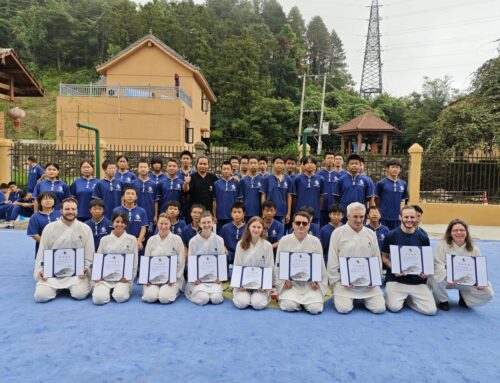
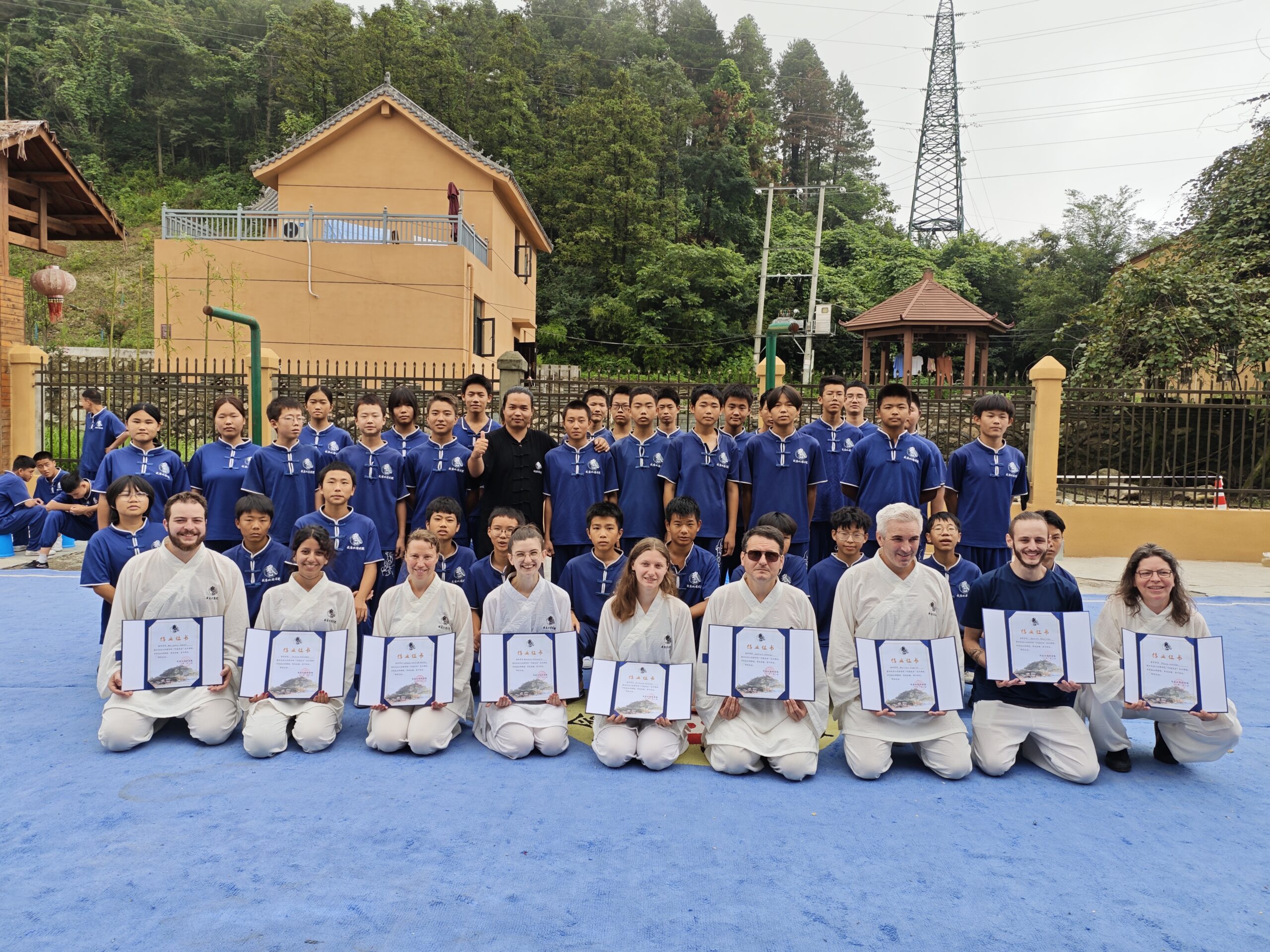
This is an essential point. Not every school that welcomes foreign students truly integrates them into the Chinese system. Some institutions offer separate international programs with different schedules, different instructors, and sometimes even different training locations.
This is not necessarily a bad thing. For a short stay, a program designed for foreigners can be more comfortable, more accessible, and easier to organize. However, it should not be confused with the experience of a Chinese student attending a genuine Wuxiao.
In a complete immersion environment, foreign students discover both the strengths and the challenges of the Chinese system. They must develop greater independence, adapt to a different teaching style, repeat movements countless times, and cultivate their own personal discipline. The instructor encourages, corrects, and guides, but no one will do the work for you.
The Most Common Mistakes When Choosing a School in China
Looking back, certain mistakes appear again and again. The first is believing that all schools are essentially the same. In reality, the differences between a Wuxiao, a Wuguan, a private master, or an international program can be considerable.
The second is believing that a school carrying the name Shaolin or Wudang is necessarily located in Shaolin or Wudang. This is not always the case. Many institutions use these names because they are well known abroad, but that does not necessarily mean they are located there or belong to their authentic educational traditions.
The third is believing that monks are automatically the best practitioners or that living in a temple is the best way to learn martial arts. As we have seen, temples, religion, and schools are three different realities.
Finally, many people imagine that they will find the kind of training seen in kung fu movies. The reality is based far more on repetition, discipline, patience, technical precision, and long-term work.
How to Choose the Right School in China?
Before choosing a school, it is important to ask yourself a few simple questions:
- What are your goals?
- How long do you want to study?
- Are you looking for complete immersion among Chinese students or a more accessible experience?
- Do you want to discover traditional kung fu, Sanda, Tai Ji Quan, or Qi Gong?
- Do you already have martial arts experience?
The answers to these questions will naturally guide you toward very different types of institutions. Someone visiting for two weeks to discover Chinese culture will not have the same needs as a student planning to stay for a year and make serious progress. A beginner will not necessarily seek the same experience as an advanced practitioner wishing to train alongside highly skilled Chinese students.
There is no perfect school for everyone. There are simply schools that are better suited to certain goals than others.

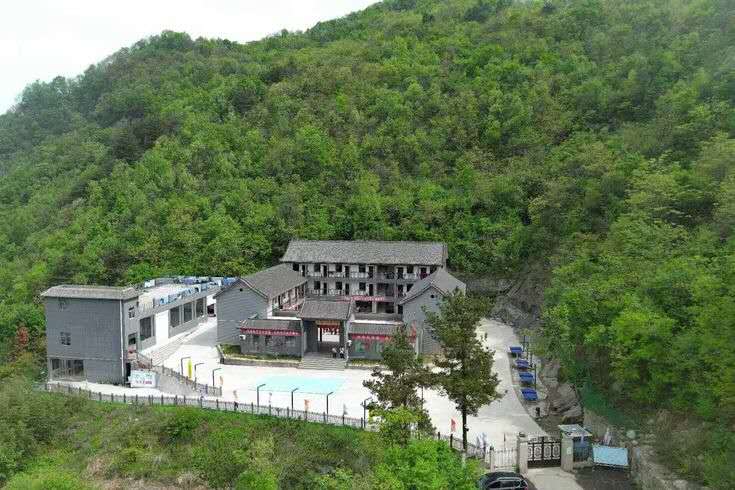
Why I Chose a Wuxiao
Personally, I chose a Wuxiao because I wanted to become as skilled as the Chinese students and to be treated the same way they were. I did not want any special treatment. I was not simply looking for an exotic experience or a beautiful place to train. I wanted to understand the genuine Chinese martial arts system.
I wanted the same standards, the same qualifications, the same training, and the same level of immersion. This search ultimately led me toward Wuxiao, and more specifically toward schools capable of genuinely integrating international students into the daily life of Chinese students.
This choice is not necessarily the best one for everyone. It requires independence, humility, patience, and genuine personal discipline. But for those who truly want to understand Chinese martial arts from the inside, it is, in my opinion, one of the deepest experiences one can have.
A Series of Articles to Better Understand Chinese Martial Arts Schools
This article is only an introduction. In the coming articles, we will explore in greater detail the different types of schools that exist in China today. We will look at what a Wuxiao really is, how Wuguan operate, how they differ from international programs, and how to choose the institution best suited to your goals.
Because before deciding where to study martial arts in China, it is essential to understand how the system surrounding them actually works. Only then can you make an informed decision and enjoy an experience that truly matches what you are looking for.